


New technology changes the requirements
Practical experience and technical understanding remain important in logistics. At the same time, digital skills, organization, communication, and the confident handling of new systems are gaining in importance.
The goal is not to replace people with technology. Rather, technology should provide support where it can make work easier, safer, and more efficient. Automated systems, for example, can take over repetitive processes, reduce physical strain, or save time. Therefore, the interplay between experience and digitalization is becoming increasingly decisive.
A variety of skills are needed
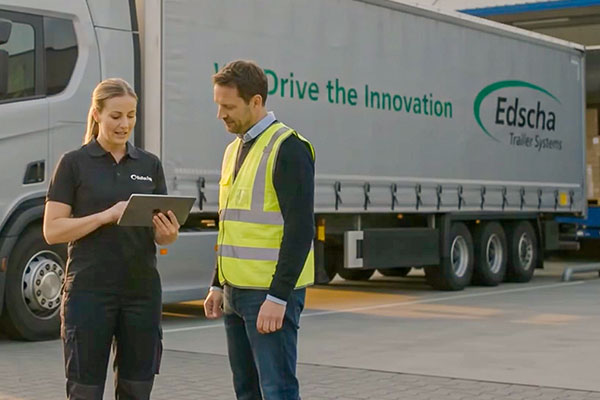
Logistics thrives on bringing together many different people and skill sets. Drivers, dispatchers, workshop mechanics, developers, and logistics planners view challenges from different perspectives.
An experienced driver might spot a practical challenge on the vehicle within seconds. A developer looks at the same situation from a technical standpoint. Data analytics, in turn, can reveal correlations that would hardly be noticeable in daily operations. Only when these diverse skills work together do solutions emerge that actually work in practice.
Attractive working conditions are becoming more important
Adding to this is the ongoing shortage of skilled workers and drivers. The industry therefore faces the task not only of qualifying existing employees for new technologies but also of attracting new people to transport and logistics. Modern and favorable working conditions play an increasingly important role here. In addition to working hours and compensation, ease of use, safety, and the quality of the technology used also count.
In daily transport operations, technical performance data alone are not all that matters. Equally important is how easily, quickly, and safely a system can be operated. Repetitive tasks should be as uncomplicated as possible, physical strain reduced, and unnecessary time losses avoided.
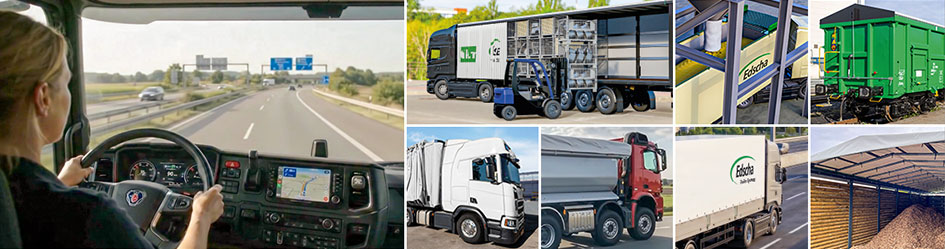
For this reason, Edscha TS has for many years focused not only on function and reliability but also on ease of use, safety, and short loading times in its product development. Modern sliding roof systems, for example, allow large loading areas to be opened by a single person from the ground. Electrical solutions such as the E-Drive further demonstrate how previously manual work steps can be technically supported or automated.
Humans and technology working together
The logistics of the future is becoming more digital, interconnected, and automated. Nevertheless, it remains a collaborative effort.
New technologies do not automatically make existing knowledge less important.
On the contrary: it is precisely the combination of practical experience and new technological possibilities that can lead to better solutions. Anyone who has worked in transport for years knows the processes, physical demands, and typical challenges firsthand. This knowledge is an important foundation for the meaningful further development of processes.
At Edscha TS, we look forward to actively shaping this future together with our customers and partners.